Why SMS Marketing Is So Effective (And What the Numbers Actually Say)



_Why%20SMS%20Marketing%20Is%20So%20Effective.webp)

Sales reps who text a new lead within 5 minutes are dramatically more likely to connect than those who wait even 30 minutes. Yet most teams still rely on email and phone calls that go unanswered, and wonder why their pipeline keeps stalling.
SMS marketing gets a 98% open rate. Email gets 22%. That gap is not a fluke. It reflects how people actually use their phones today: Americans check their phones 186 times a day, and 90% of texts are read within 3 minutes of arriving.
The data comes from two Salesmsg sources: the 2026 State of SMS Benchmark Report, an analysis of real platform activity across thousands of customers, and the Salesmsg masterclass: The SMS Playbook for Turning Leads Into Repeat Customers, hosted by CEO and co-founder Chris Brisson.
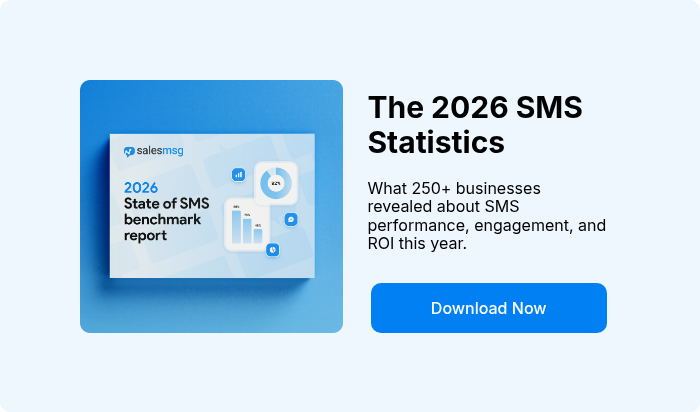
SMS vs. Email: How the Numbers Compare
Before getting into the why, look at the what.
The gap between SMS and email on CTR alone (45% vs. 5%) means a link in a text is nine times more likely to get clicked than the same link in an email. Not marginally better. A different category.
Calling has its own challenges. In the Salesmsg masterclass, CEO and co-founder Chris Brisson shared a screenshot of his own phone, almost entirely flagged as spam calls.
"84% don't answer from unknown numbers, 74% will listen to the voicemail you leave, and 95% won't respond to the voicemail," he said. "I'm that stat. Maybe you're that stat."
In this session, Chris Brisson walks through the full framework for using SMS to capture leads, start conversations, convert them, and keep customers coming back. Embed the masterclass recording here.
That is not an argument against calling. Paired with SMS, calling produces 2.6x better engagement results than SMS alone. It is an argument against relying on calling alone when contacts are not picking up.
6 Reasons SMS Marketing Is So Effective
1. People Actually Open Texts
98% of SMS messages are opened. 90% are read within 3 minutes.
This reflects a fundamental difference in how people treat texts vs. email. Texts feel personal. They trigger a notification that is hard to ignore. And unlike email, there is no spam folder, no promotions tab, no inbox with thousands of unread messages going back years.
The comparison to email's 22% open rate matters most at scale. Send 1,000 texts: roughly 980 get opened. Send 1,000 emails: roughly 220 do. That math changes everything downstream: CTR, responses, meetings booked, revenue.
The business messaging market is projected to hit $58.5 billion in 2026. Open rates like these, sustained over time and at volume, make SMS one of the most reliable channels a business can build into its outreach.
2. Click-Through Rates Are in a Different League
SMS links get a 45% CTR. Email gets 5%.
If your outreach includes a link, SMS and email are not competing on the same playing field. Nearly half of everyone who receives your text and a link clicks through. A text with a Calendly link converts at a fundamentally different rate than an email with the same link. The message is the same. The channel is doing the heavy lifting.
The benchmark data shows that 71% of Salesmsg customers use SMS to improve customer engagement, and 57% use it to directly drive sales and revenue. The CTR data is a big part of why.
3. Response Time Is Measured in Seconds, Not Days
The average response time to an SMS is approximately 90 seconds.
Compare that to email, where the average response time is measured in hours. For voicemail, 95% go unanswered.
For sales teams, speed of response is one of the highest-leverage variables in the process. In the Salesmsg masterclass, the data point was direct: 78% of buyers choose the first company to respond. Five minutes is all it takes for a lead's attention to shift toward a competitor.
SMS is the fastest response channel available. For time-sensitive moments, nothing else comes close.
4. Two-Way Conversations Happen Naturally
Most discussions of SMS marketing focus on open rates and CTR. What gets underestimated is that SMS is the only channel where two-way conversation happens fast and naturally, with almost no friction.
A reply to an email takes composition time and a context switch. A reply to a text takes seconds and stays in the same thread. That frictionlessness is what makes SMS effective for qualification, scheduling, and follow-up, not just broadcasting.
The 2026 Benchmark Report found that two-way messaging ranks as one of the top three most-wanted platform features, tied with ease of use and CRM integration at 50% each.
5. SMS + Calling Together Produce 2.6x Better Results
Businesses pairing SMS with calling see a median engagement rate of 24% vs. 9% for text-only.
Average engagement rate jumps from 23% to 36% when calling is added to the mix. Teams treating SMS as a standalone tool are running at roughly one-third of the engagement they could achieve.
Build calling touchpoints into the same sequences as your SMS messages. When someone does not reply to a text, a call makes sense. When a call goes to voicemail, a text follow-up gets read. The channels reinforce each other.
6. AI Makes It Scalable Without Losing the Personal Feel
AI agents respond in under 1 minute vs. approximately 15 minutes for a human rep, and produce an 88% lift in response rate.
AI agents built on a company's own knowledge base can handle inbound SMS conversations, qualify leads, answer questions, and book meetings around the clock.
One example from the Salesmsg masterclass: Alpha School had 75,000 parents submit contact numbers over 8 weeks. The school could not handle qualification manually at that volume. With a Salesmsg AI agent running SMS conversations, they qualified leads at scale with every response under a minute.
"AI agents respond in under 1 minute versus 15 minutes for a human. I'm pro-human, but I'm also anti-leaky bucket," Brisson said in the masterclass. "If we can plug the gaps using tools and automation, then by all means we should."
Only 28% of Salesmsg customers are currently testing or using AI. The ones who are have a head start that will become increasingly meaningful as adoption accelerates.
Why SMS Works Especially Well for B2B Sales Teams
Most SMS marketing content is written for e-commerce: retail promotions, abandoned cart reminders, flash sales. B2B sales SMS is different in purpose. The primary use cases are speed to lead, follow-up sequences, meeting reminders, lead qualification, and re-engagement, not promotions.
Speed to Lead: The Window Is Shorter Than You Think
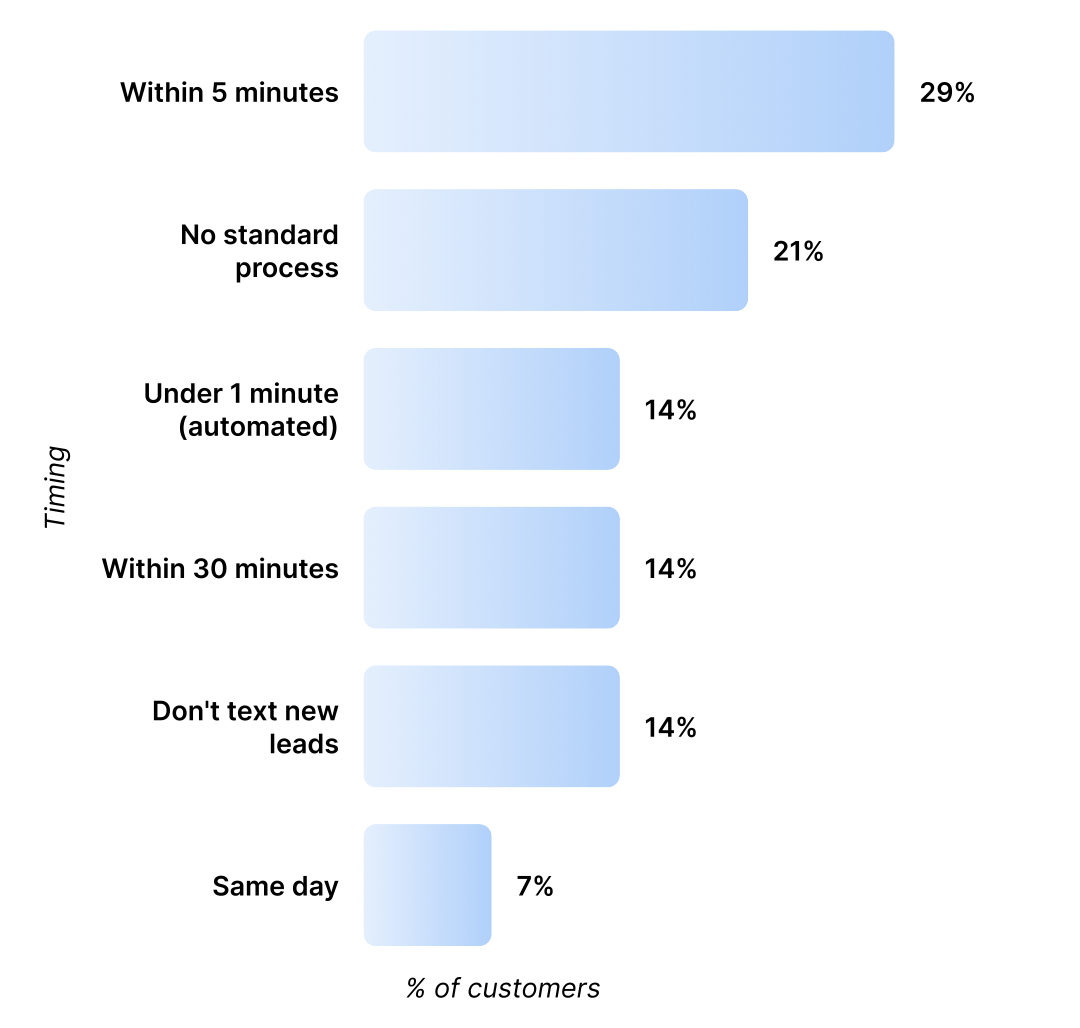
57% of Salesmsg customers send their first text within 30 minutes of a new lead coming in. 14% have fully automated it, with the first text going out in under a minute.
A lead who fills out a form at 10 PM is not waiting until morning. A lead who calls during lunch and gets voicemail is probably browsing a competitor within the hour.
The 21% who have no standard process for first contact are losing leads they do not know they are losing. The fix is usually one automation: a triggered text that goes out when a new lead enters the CRM.
Follow-Up Sequences That Actually Get Replies
42% of replies come from follow-up messages, not the first text. The optimal sequence length is 4 to 7 messages.
Most teams stop after one message and interpret silence as disinterest. The platform data says something different: nearly half the people who will ever reply to you have not replied after your first message.
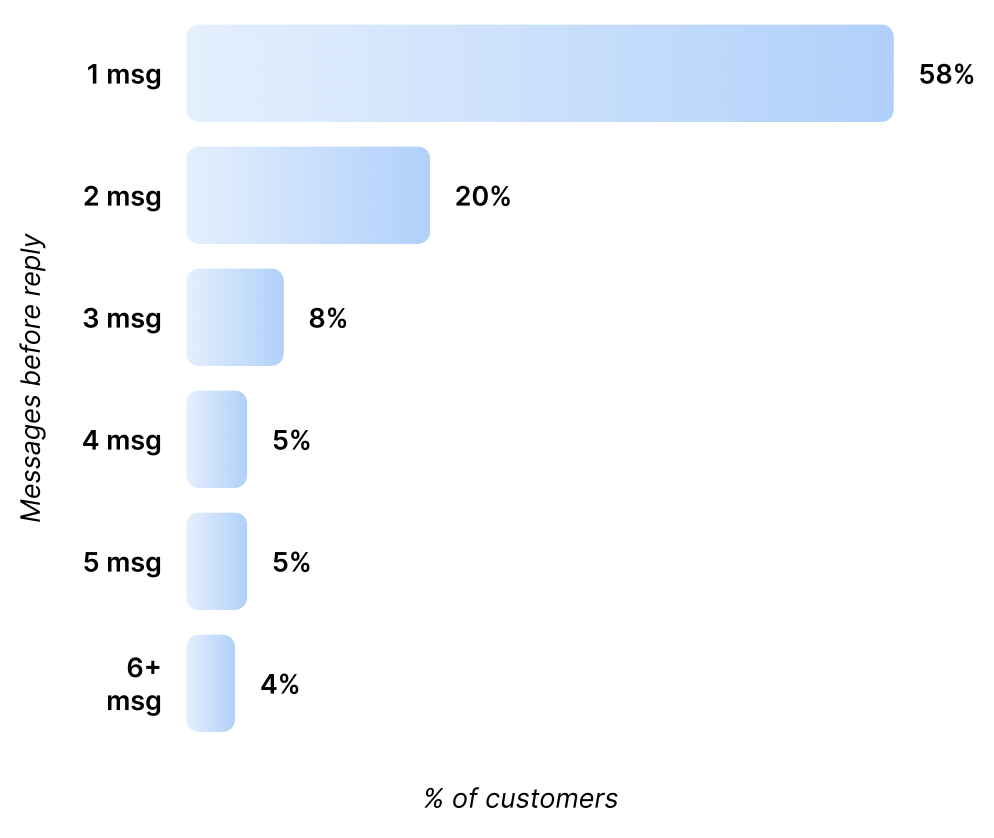
58% of replies come from the first message. Stopping at message 1 means recovering just over half the responses available to you. A structured 4 to 7 message sequence, spaced over days rather than hours, captures a fundamentally different number of replies.
The benchmark data is clear on format: keep each follow-up message under 100 characters and focused on a single ask. Longer messages get lower response rates at every step in the sequence.
Qualifying Leads at Scale
For teams with high inbound volume, SMS enables automated qualification in real time, with replies arriving in seconds.
The Salesmsg AI agent builder defines qualification criteria, asks the questions, captures data fields, scores the lead, and routes qualified contacts into a booking workflow without human involvement until the right moment. 36% of Salesmsg customers already have SMS triggered directly from their CRM.
What the 2026 Benchmark Report Tells Us
The 2026 State of SMS Benchmark Report is Salesmsg's most comprehensive dataset on how businesses actually use SMS. It draws on platform activity analysis and direct customer input.
SMS is now a primary channel, not a test. 71% of Salesmsg customers send multiple times per day. For them, SMS is how their team communicates with leads and customers every day.
What businesses are using SMS for:
According to the benchmark report, improving customer engagement is the top goal, cited by 71% of customers. Driving direct sales or revenue and providing customer support are next, each at 57%. Increasing customer retention follows at 36%, with appointment reminders at 14%.
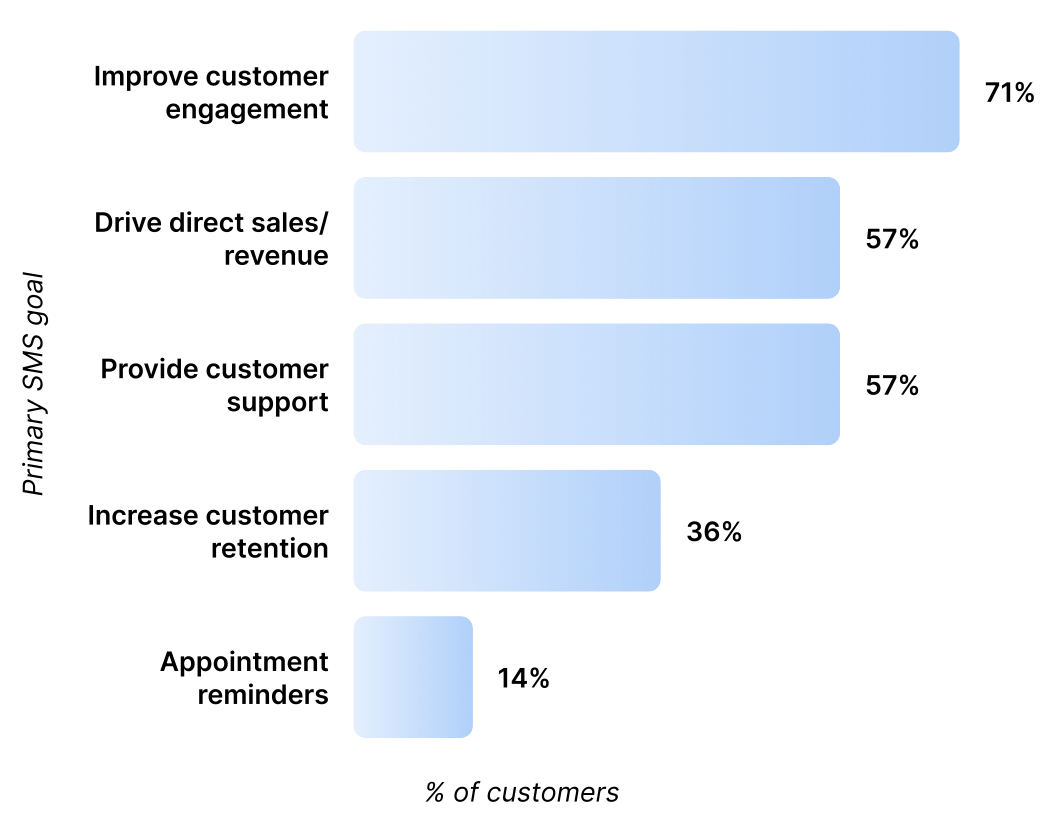
What this tells you: SMS is not primarily a marketing blast tool. Most businesses using it seriously are running it as a day-to-day conversation layer for engagement, support, and revenue.
Most businesses are not fully using what they have. Only 36% have SMS triggered from their CRM. Only 28% are testing or using AI. That is a significant gap between current results and what is achievable with the same platform.
Enterprise adoption has accelerated sharply. US enterprise SMS adoption jumped from 55% in 2020 to 75 to 85% in 2025. Teams that delay adoption are letting their competitors build a head start.
Download the full 2026 State of SMS Benchmark Report free.
What Makes an SMS Campaign Effective (vs. Just Sending Texts)
Knowing SMS works is different from knowing how to make it work. The benchmark data points to four variables that consistently separate effective SMS from messages that get dismissed.
Timing: The 10 AM to 12 PM Window
The 10 AM to 12 PM window produces the fastest replies. Response times slow significantly after 6 PM and before 9 AM.
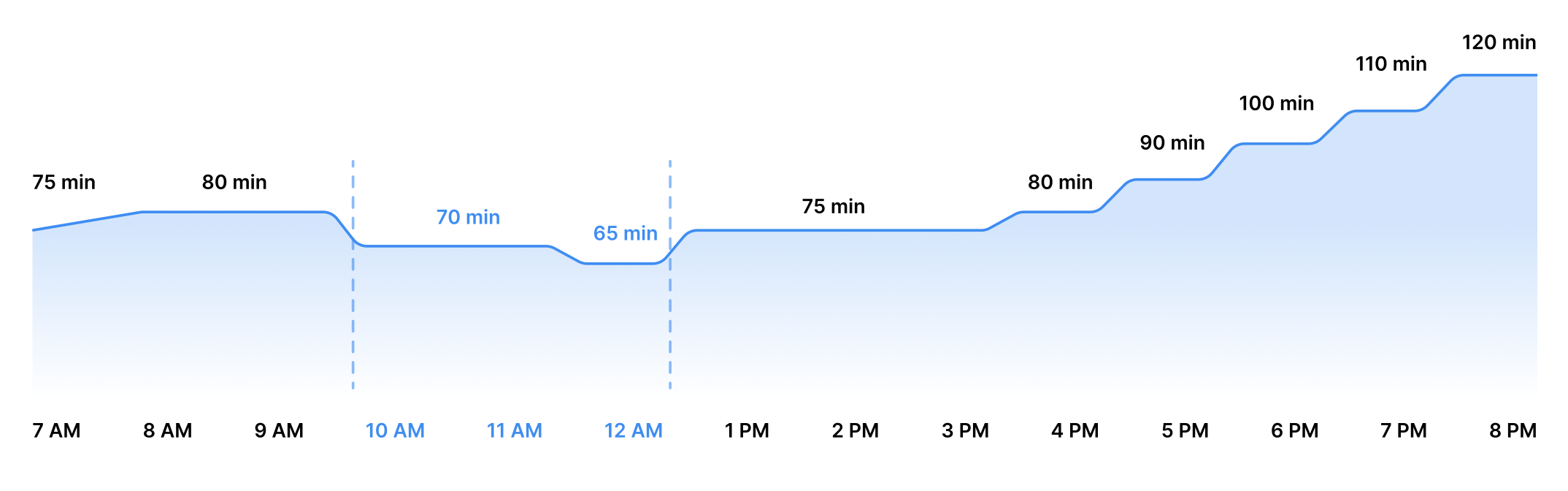
Average response times run around 65 to 70 minutes during the 10 to 12 window, climbing to 100+ minutes in the afternoon. Schedule your most time-sensitive messages to land during peak responsiveness.
Message Length: Under 100 Characters
Messages under 100 characters get the highest response rates. Messages over 300 characters get less than half the engagement.
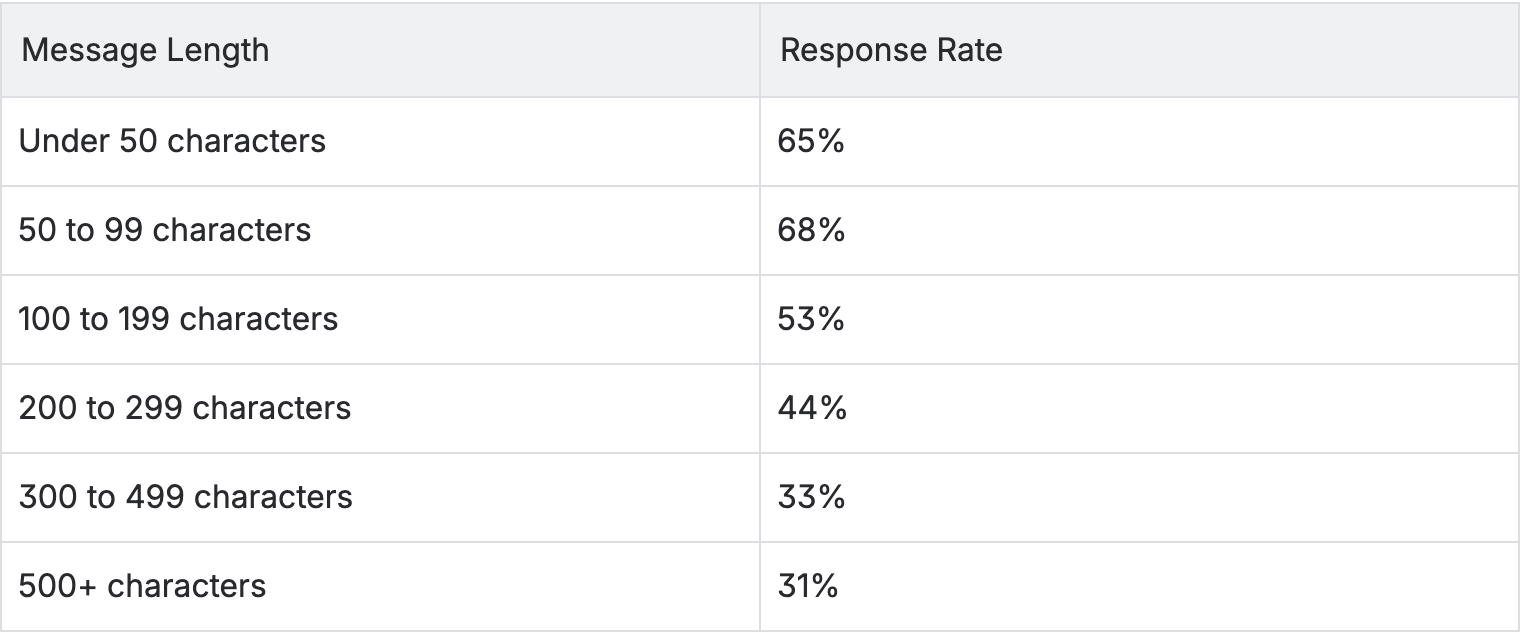
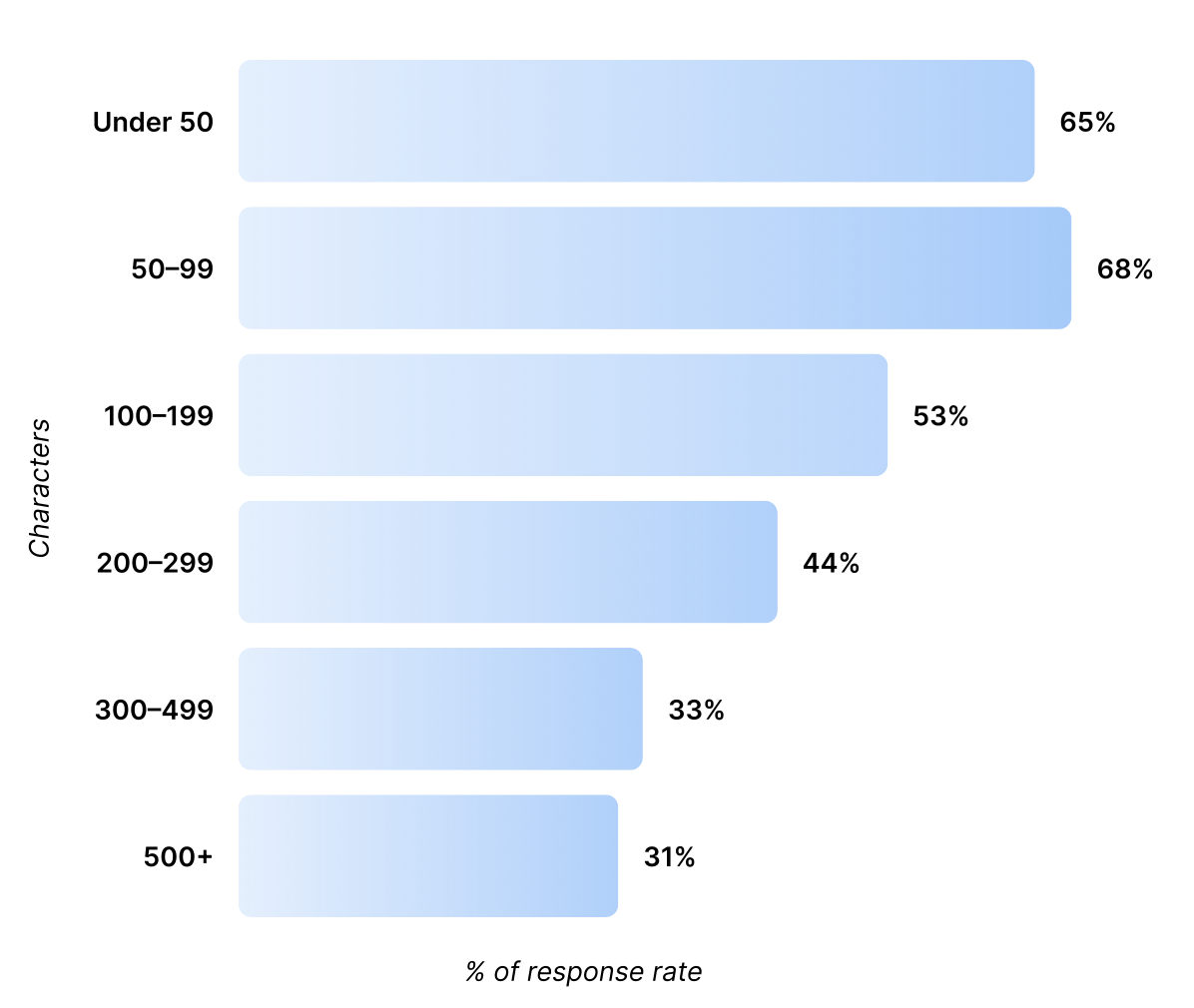
The instinct to include more context consistently backfires in SMS. A short, specific message with one clear ask outperforms a long one at every length threshold.
Personalization: Use the Context You Have
Effective personalization starts with the basics: the contact's first name, a reference to the specific reason for the text, and language that makes the message feel directed at them. A missed call automation that sends "Hey [First Name], thanks for calling, what can I help you with?" is enough. The contact sees their name. They know it is not a blast. The reply rate goes up.
For teams using CRM-integrated SMS, personalization goes further: product interest, deal stage, last touchpoint, company size.
Compliance: Get It Right Before You Send
55% of business profile rejections during 10DLC registration come from five preventable documentation issues.
10DLC (10-digit long code) registration is required for any business sending application-to-person SMS in the US. Without it, messages get filtered before they reach your contacts.
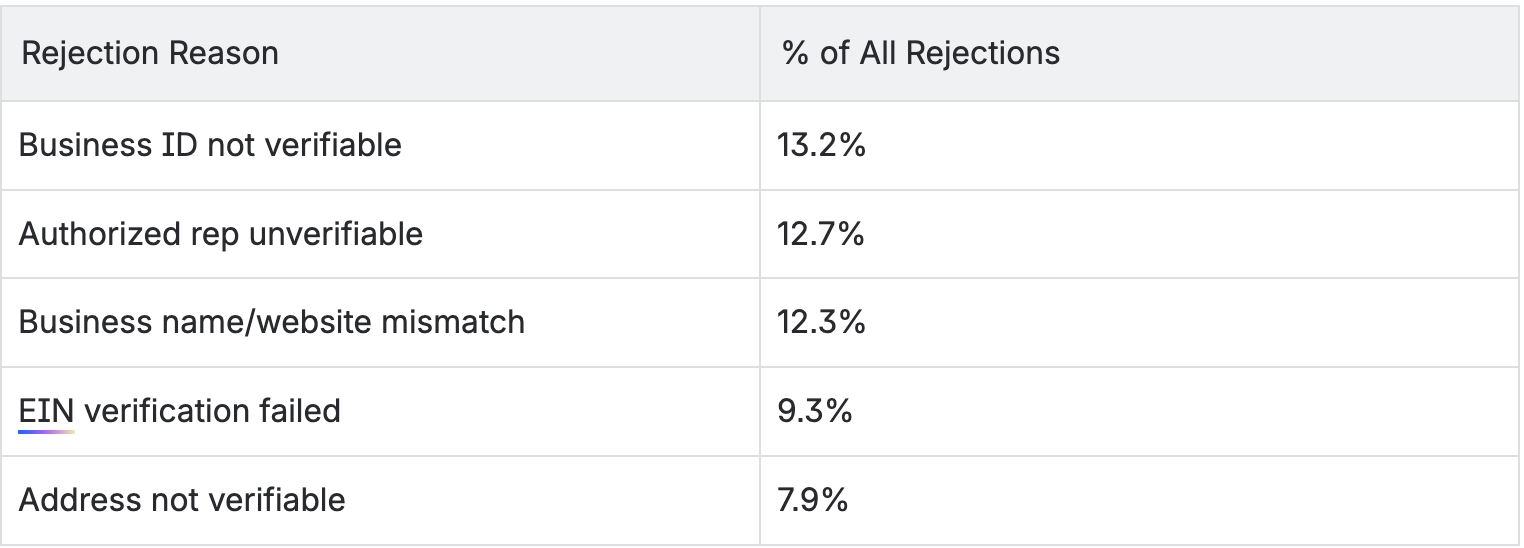
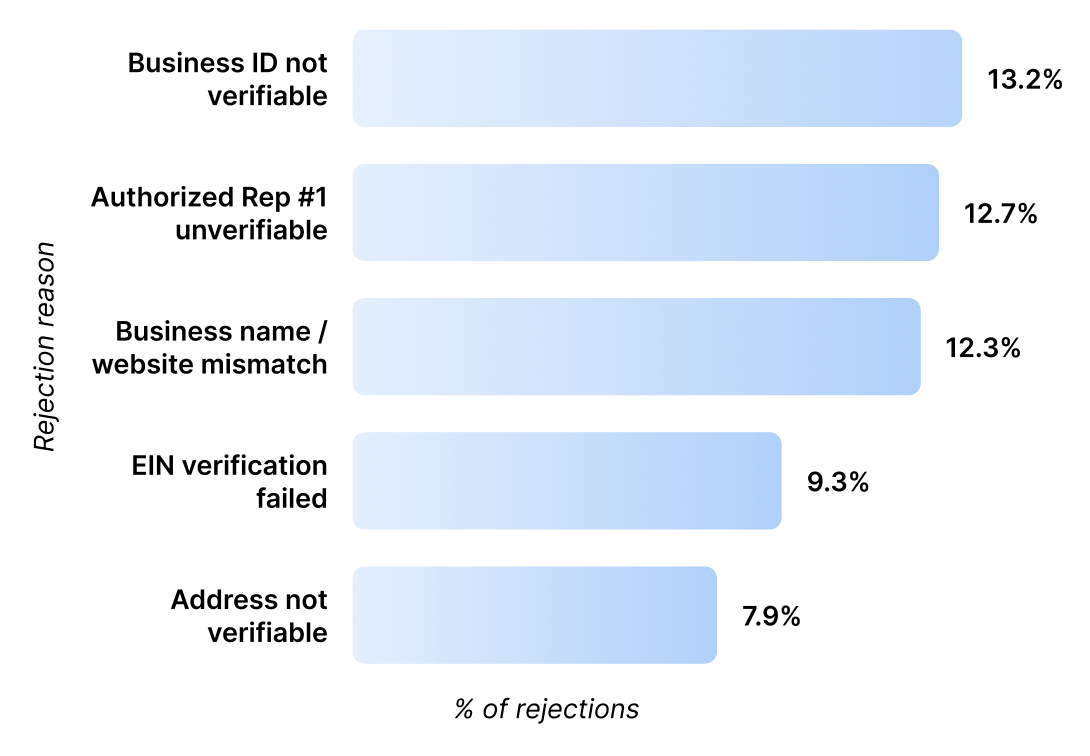
All five are paperwork issues entirely within the business's control. Salesmsg's onboarding team works through compliance setup with every new customer as one of the first steps.
How It All Connects: The Textize Your Business Framework
The Textize Your Business framework breaks SMS strategy into four stages: Capture, Connect, Convert, Care. Each one maps to a phase in the customer lifecycle where SMS can replace friction, follow-up, and dropped conversations.
Capture is turning attention into contacts. Web forms, QR codes, text-to-join, missed call automation, social media click-to-text. Most businesses already have the assets: phone numbers, forms, traffic, offline touchpoints. They just have not activated them for SMS.
One Salesmsg customer text-enabled a phone number they had used for 15 years and discovered customers had been trying to text them the entire time. The asset was always there.
Connect is having the actual conversation. AI agents, two-way texting, follow-up sequences. The goal is to move contacts from a form fill or missed call into a real exchange: capturing qualification data, booking meetings, answering the question that is blocking them from moving forward.
Convert is driving the action. Once a lead is engaged and qualified, SMS handles the final push: meeting confirmation, link to purchase, event reminder. The 45% CTR on links in SMS is where this stage pays off most visibly.
Care is keeping customers after the sale. Review requests, NPS surveys, appointment reminders, post-purchase check-ins, re-engagement campaigns. The benchmark data shows SMS is most underused here, even though post-sale text automation is one of the easiest to set up and one of the highest-ROI sequences most businesses can run.
A trampoline park using Salesmsg sends an automated text 15 minutes after every visit: "How would you rate your experience on a 1 to 5?" If the reply is a 4 or 5, the next message goes out automatically with a Google review link. If it is lower, the message asks what went wrong. Both flows run without any manual involvement.
Most teams have two or three of these stages working. The ones getting the best results have all four running, even if some stages are just simple 2-message automations.
FAQs
Q: Is SMS marketing still effective in 2026?
Yes. SMS open rates remain at 98%, and response rates continue to outpace email by a wide margin. Businesses using two-way messaging and AI-assisted follow-up see meaningfully better results than those still running one-way blasts. The 2026 Salesmsg Benchmark Report found that outbound SMS reply rates within 24 hours are multiples higher than average email reply rates.
Q: What is the success rate of SMS marketing?
It depends on what you measure. Open rates are consistently 95 to 98%. Reply rates on outbound SMS average 11% within 24 hours, based on Salesmsg platform data. Click-through rates on links average 45%, compared to roughly 5% for email. Results vary by message quality, send timing, and sequence length. Teams running structured follow-up sequences consistently outperform those relying on a single message.
Q: Why does SMS have such a high open rate compared to email?
Most phones send a push notification for every text, and people check texts fast. Average response time is around 90 seconds. Email inboxes have become high-volume and easy to batch-process or ignore. SMS still carries a sense of personal immediacy that email has largely lost, which is why 90% of texts are read within 3 minutes of receipt.
Q: Is SMS marketing effective for B2B companies?
Yes, and it is significantly underused in B2B. Sales teams use SMS primarily for lead follow-up, speed to lead, meeting reminders, re-engagement, and lead qualification. Salesmsg data shows that 57% of customers send their first text within 30 minutes of a new lead arriving, and 78% of buyers choose the first company to respond.
Q: What are the disadvantages of SMS marketing?
The main ones: compliance requirements (10DLC registration and explicit TCPA consent), fast opt-outs if messages feel irrelevant or spammy, and message length limits. These are manageable with proper setup. The businesses that struggle with SMS are usually the ones that skipped compliance setup, did not build personalization into their sequences, or treated SMS as a broadcast channel instead of a conversation channel.
Q: How do I make my SMS marketing more effective?
Four things make the biggest difference: keep messages under 100 characters, send time-sensitive messages between 10 AM and 12 PM, personalize using the contact's name and context, and build a follow-up sequence rather than stopping at one message. The single biggest lever: 42% of SMS replies come from follow-up texts. Stopping at one message means missing nearly half your potential responses.
Q: How does SMS compare to email for lead follow-up?
SMS wins on almost every measurable dimension: 98% vs. 22% open rates, 45% vs. 5% CTR, 11% vs. roughly 1% reply rates within 24 hours, 90-second vs. multi-hour response times. Email is better suited for longer-form content and communications that require a written record. For initial outreach and follow-up sequences where the goal is to start a conversation, SMS consistently outperforms email.
The Bottom Line
SMS is effective because it meets people where they already are, communicates at the speed they expect, and when done right, feels like a direct, relevant exchange rather than a notification to dismiss.
The data from the 2026 Benchmark Report makes the case with real numbers: 98% open rates, 45% CTR, 2.6x engagement lift when combined with calling, 11% reply rate within 24 hours, 42% of replies coming from follow-up messages. These are platform-level numbers from real businesses, not projections.
If your team is still relying primarily on email and calling for outreach, the gap between where you are and what is achievable is measurable and closeable. The starting point is usually simple: connect your existing phone number to an SMS platform, sync it to your CRM, and build one automated first-touch sequence.
See how Salesmsg helps sales teams follow up faster: start your free 14-day trial.
Data in this article is sourced from two Salesmsg resources: the 2026 State of SMS Benchmark Report, based on platform activity analysis and customer surveys, and the Salesmsg Masterclass: The SMS Playbook for Turning Leads Into Repeat Customers. Download the full benchmark report free at salesmessage.com/sms-marketing-statistics

.png)