Episode 22: Unlock More Value from Every Rating with Upgraded Salesmsg Reviews
Automate personalized follow-ups, engage reviewers at scale, respond in an instant, and export the insights that drive growth.

Automate personalized follow-ups, engage reviewers at scale, respond in an instant, and export the insights that drive growth.

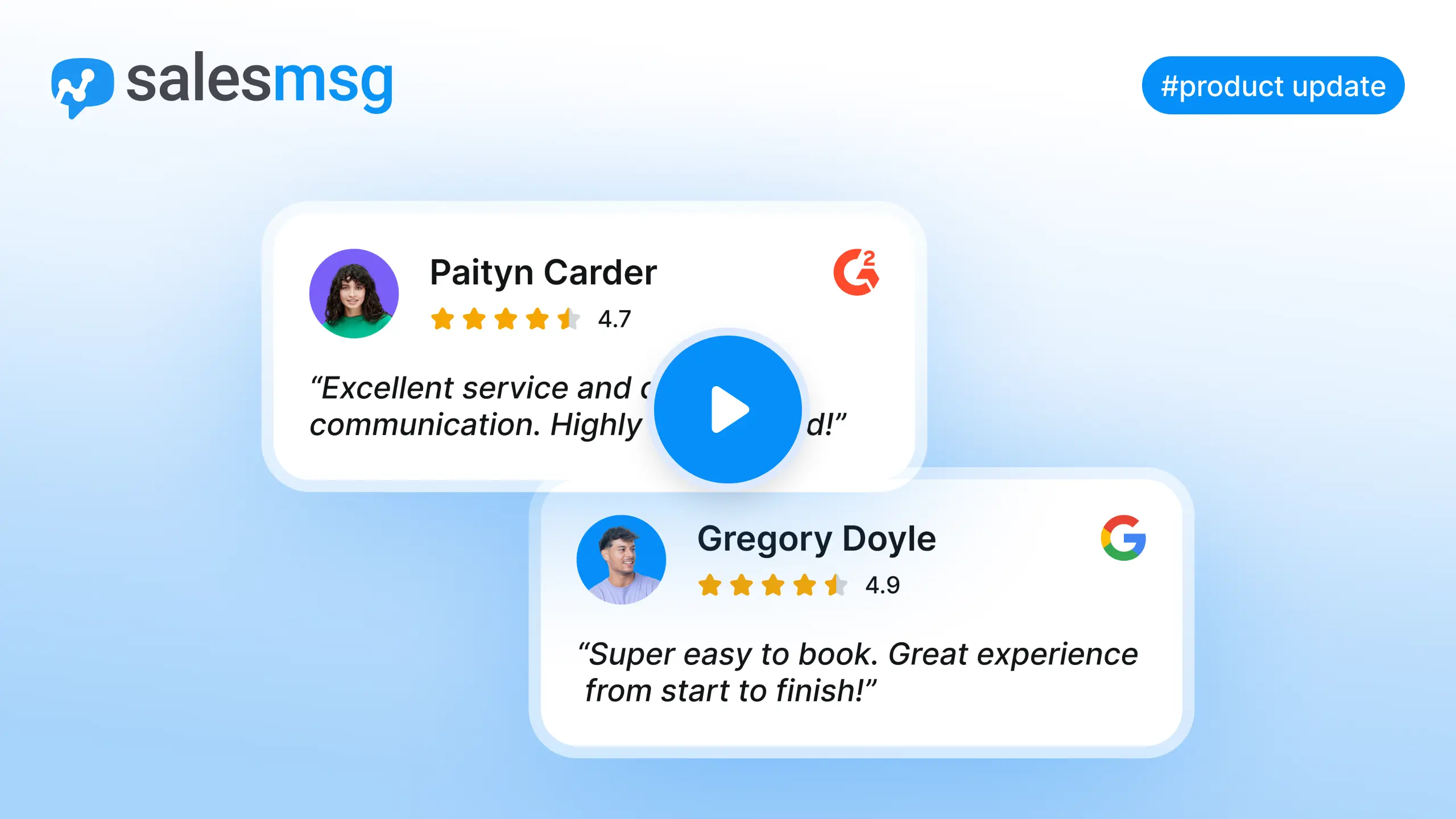
Elizabeth: Welcome to today’s deep dive. Have you ever noticed how leaving a review online usually feels like, well, shouting into a void? You drop your stars, hit submit, and nothing happens.
Chris: Yeah, it’s incredibly anticlimactic. I mean, you are giving a business valuable data, and it feels like it just disappears into the ether.
Elizabeth: Right, which is exactly why today’s deep dive is looking at the product documentation for a new feature called Upgraded Reviews on the Salesmsg platform.
Chris: Exactly. And our mission today is really to figure out how businesses are finally turning that passive customer feedback into an actual automated engagement engine.
Elizabeth: Because honestly, if you take the time to leave a review, something should actually happen. Okay, let’s unpack this. Why was that void there in the first place?
Chris: Well, um, the void existed because of what was happening behind the scenes. Like, before this update, handling feedback was just an incredibly messy manual process. Teams had to physically export lists of reviewers.
Elizabeth: Ugh, spreadsheets.
Chris: Oh, yeah. Endless spreadsheets. And they’d have to try to interpret what their own metrics meant and constantly switch between different web pages just to reply to one single person.
Elizabeth: So it sounds like the old way was basically receiving a mountain of physical mail every day.
Chris: Yes. And having to manually open it, read it, and sort it into bins before you could even think about writing a reply.
Elizabeth: Wow. Whereas this update saves review scores directly to a customer’s contact record. It acts more like, um, a smart mailbox.
Chris: Right, exactly.
Elizabeth: It opens the letter, realizes it’s a complaint, and flags it for the manager instantly, or sends a quick thank you note if it’s a fan.
Chris: And what’s fascinating here is the underlying shift in utility. We are seeing review data transform from a passive collection tool, you know, something that just sits on a dashboard.
Elizabeth: Just gathering digital dust.
Chris: Right, gathering dust. It changes from that into an active driver of immediate business action. The feedback itself becomes the catalyst.
Elizabeth: So the feedback is sitting in this smart mailbox, properly tagged, but having the data organized isn’t enough if it just sits there, right?
Chris: No, not at all.
Elizabeth: The real magic seems to be what happens the exact second that review lands. Businesses can immediately trigger tailored actions across their entire tech stack just by filtering a contact’s last review score.
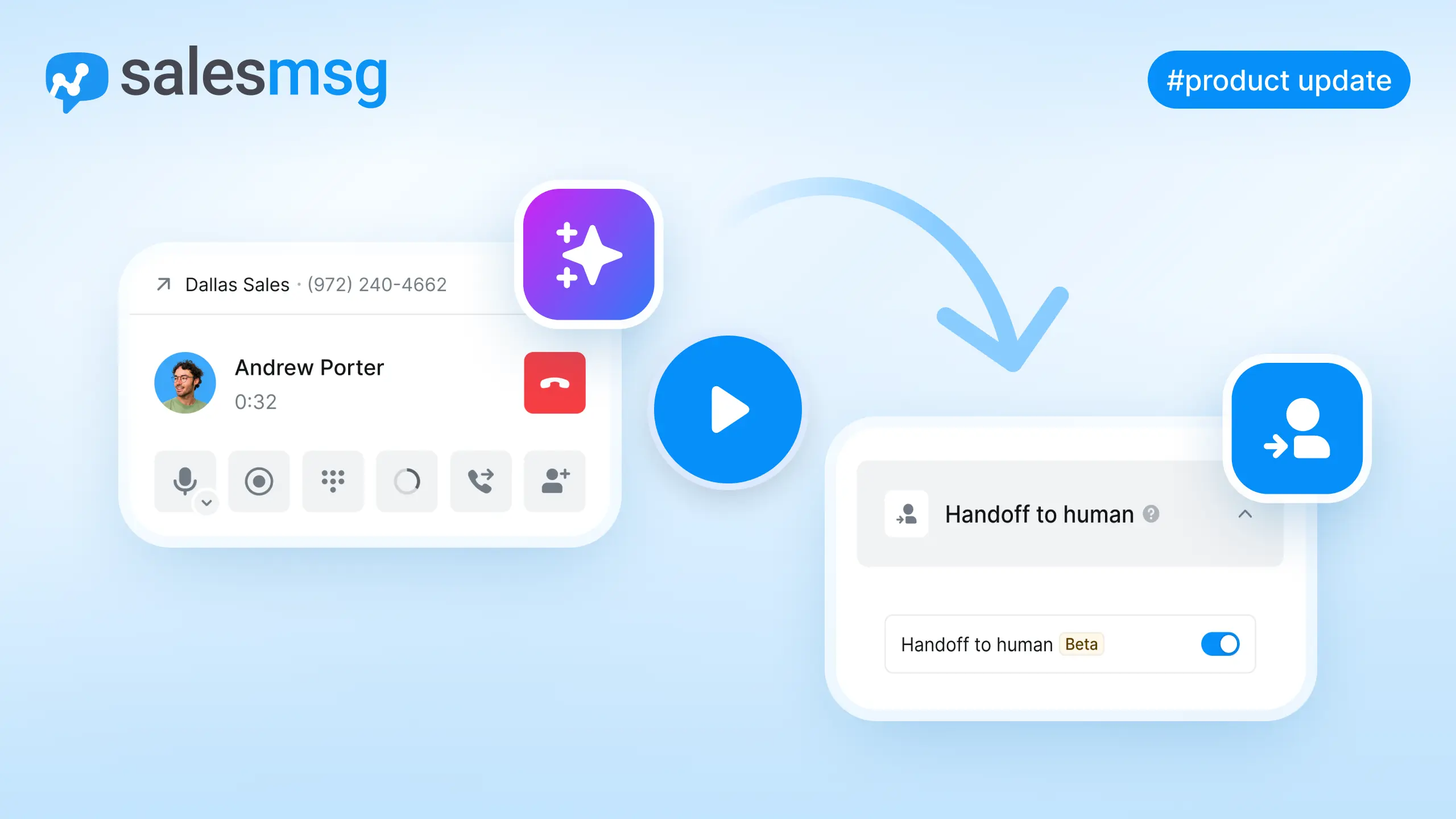
Chris: That’s the key. It integrates seamlessly across six different tools, whether that’s triggering AI agents, firing up broadcasts, dropping them into campaigns or workflows, sending surveys.
Elizabeth: Or putting them right into the power dialer, right?
Chris: Yeah, exactly. But the most crucial mechanism driving all of this is something called re-enrollment.
Elizabeth: Yeah, I saw that in the docs, but how does that actually work in practice?
Chris: Think about re-enrollment as an automatic course corrector. So, if a customer leaves an angry one-star review, they are put into a damage control workflow.
Elizabeth: Makes sense.
Chris: But let’s say the issue gets resolved, and they go back and update that review to five stars. Re-enrollment instantly yanks them out of the apology track and automatically reroutes them into a VIP thank you track.
Elizabeth: Oh, wow. So no human needs to manually move their file.
Chris: Nope. It constantly updates your path based on your latest score.
Elizabeth: That makes sense technically, but I have to push back a bit. Doesn’t automating a response to a bad review feel a bit too robotic for genuine customer service? Like, if I’m mad, the last thing I want is an automated email.
Chris: That is a fair point, but the documentation actually highlights a dental practice use case that proves the automation isn’t about avoiding humans. It’s about deploying them strategically.
Elizabeth: Okay, how so?
Chris: Well, when a patient leaves a five-star rating, the system automatically sends a referral request. Standard marketing, easily automated. But if they leave a one to three-star rating, the system doesn’t just send a generic robotic apology.
Elizabeth: Thank goodness.
Chris: Right. It automatically schedules a personal check-in call from the staff. So, the automation is actually facilitating human connection precisely when it’s needed most.
Elizabeth: Oh, I love that. It’s using the robot to instantly deploy the humans. That’s a great distinction. But while the automated routing handles the immediate response, teams still need to look at the macro-level trends, right? Like, without getting lost in multiple screens.
Chris: Oh, absolutely. And because it connects to those AI agents and dialers, it removes the lag time. You don’t have to export a messy CSV file to figure out who’s angry. Everything happens from a single analytics page.
Elizabeth: And from that page, they can take bulk action. The docs give an example of a home services company tagging all their recent five-star reviewers at once to launch a new loyalty campaign.
Chris: Yeah, which is a massive time-saver.
Elizabeth: Totally. You can also open a specific reviewer’s conversation with a single click or export CSV and TXT files for leadership that have built-in metric definitions. So what does this all mean?
Chris: Well, it completely consolidates the daily workflow for marketing and operations leaders.
Elizabeth: Right.
Chris: And if we connect this to the bigger picture, those built-in metric definitions are vital. They entirely eliminate guesswork from company reporting.
Elizabeth: Which is huge for leadership.
Chris: Exactly. When you hand data to leadership, there is zero debate about what a specific metric represents. Everyone is looking at the same definitions, which aligns the whole organization on reality.
Elizabeth: It really takes the friction out of the entire pipeline, like from the customer’s keyboard all the way to the CEO’s desk.
Chris: Completely.
Elizabeth: So, whether you run a business or you are simply a customer leaving a review, you need to know that this technology now exists. Your one to five-star rating instantly shapes exactly how a company treats you next.
Chris: Yeah, it dictates the path forward, instantly and automatically.
Elizabeth: Which brings up a wild thought to leave you with today. If our review scores determine the specific automated paths we are placed on, from dealing with AI agents to unlocking VIP loyalty programs, could savvy customers soon start strategically rating businesses just to trigger perks or bypass automated workflows?
Chris: That is a fascinating question.
Elizabeth: Right. If shouting into the void now gets you a smart mailbox response, well, maybe it’s only a matter of time before we start hacking the void.
Sign up here for a 14-day trial and be on your way to engaging with your customers faster than ever before.